News Stories - Page 24

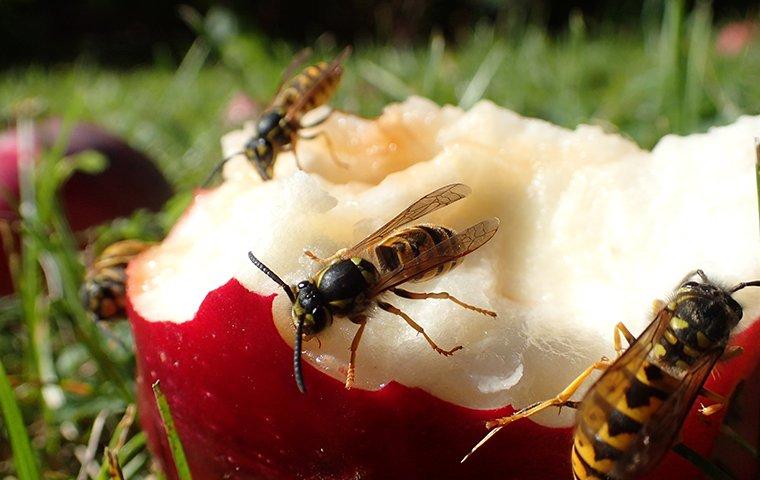
Yellow jacket encounters spike this time of year. As we spend more time outdoors, yellow jackets and wasps will be seen foraging more often. CAES News
Cool Weather Pests
As the weather cools across the state, several fall insects will begin to take center stage around Georgia homes. Be on the lookout for these nuisance pests and make preparations to deter them from entering your home for the winter.

UGA's College of Agricultural and Environmental Sciences has a fall 2020 undergraduate enrollment of 1,456, and a graduate/professional student enrollment of 624, its highest graduate enrollment to date. CAES News
CAES ranking improves
The University of Georgia College of Agricultural and Environmental Sciences has ranked second on the 2021 list of Best Colleges for Agricultural Sciences in America, up one spot from the 2020 ranking.   
Nick T. Place, an academic leader with a record of applying research-based expertise to the needs of agricultural producers and communities, has been named dean of the UGA College of Agricultural and Environmental Sciences and director of UGA Cooperative Extension and the Agricultural Experiment Stations. CAES News
CAES Dean Named
Nick T. Place, an academic leader with a record of applying research-based expertise to the needs of agricultural producers and communities, has been named dean of the University of Georgia College of Agricultural and Environmental Sciences and director of UGA Cooperative Extension and Agricultural Experiment Stations.
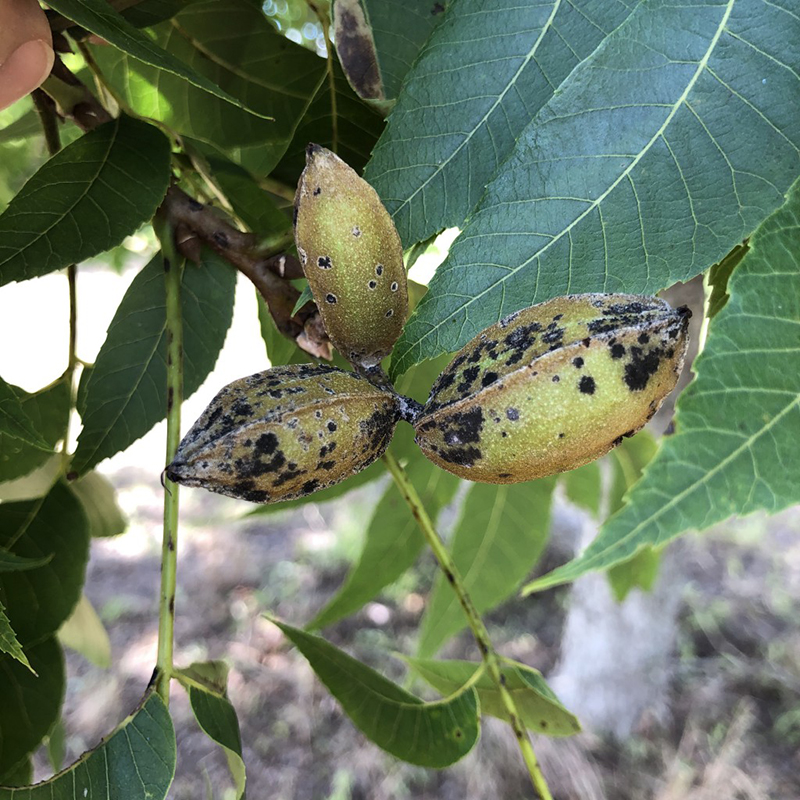
Pecan scab fungus (Fusicladium effusum) is the most destructive disease of pecans in Georgia. CAES News
Fighting Pecan Scab
University of Georgia researchers will begin a series of trials this winter to help identify better management practices for pecan growers in Georgia.
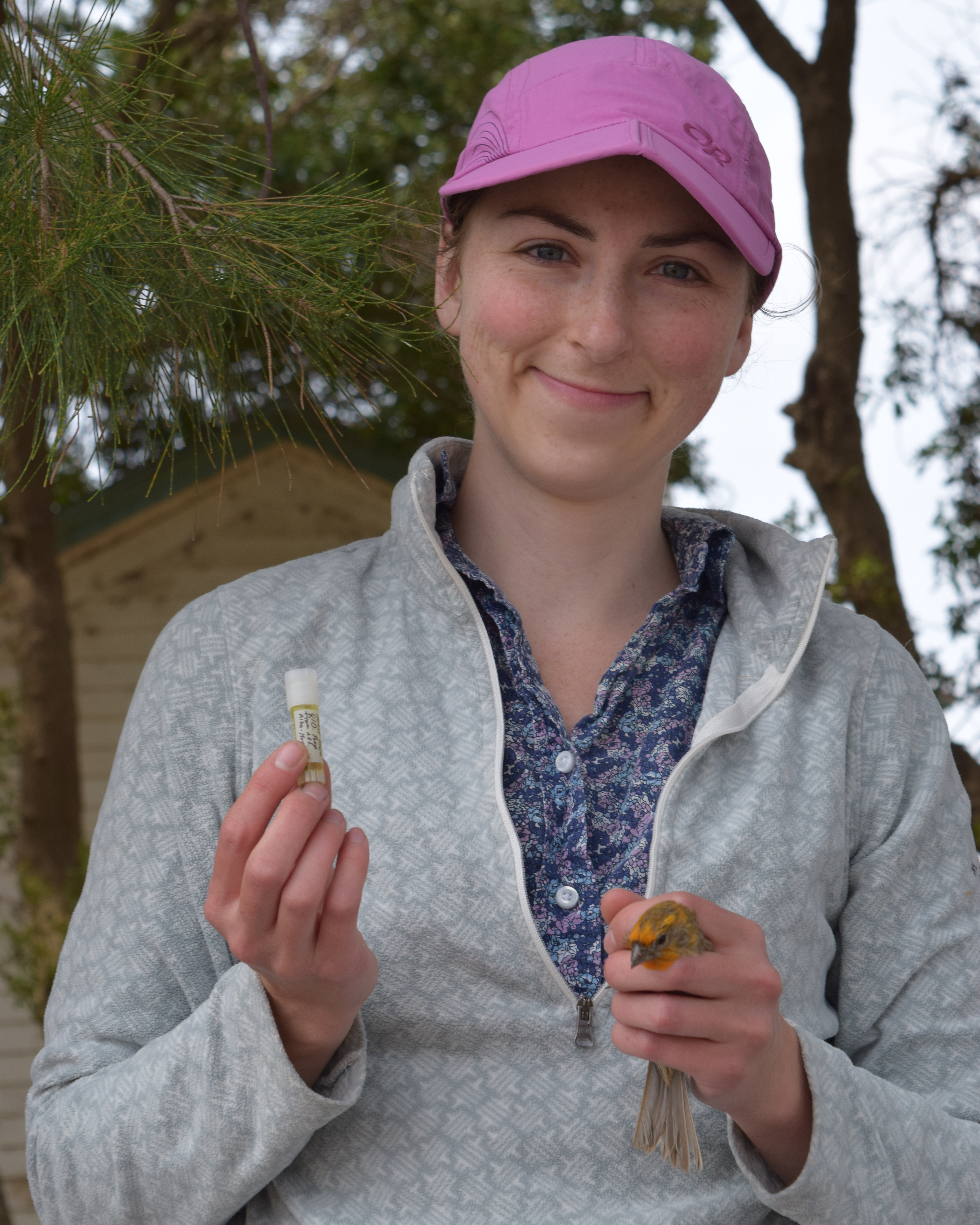
Smith posing with a bird and a research sample. CAES News
UGA entomology fellow Olivia Smith
Following the onset of several major outbreaks of foodborne pathogens traced back to wildlife, buyers of farm-fresh produce began encouraging the removal of natural habitats and nesting areas on farms to discourage wildlife intrusion.
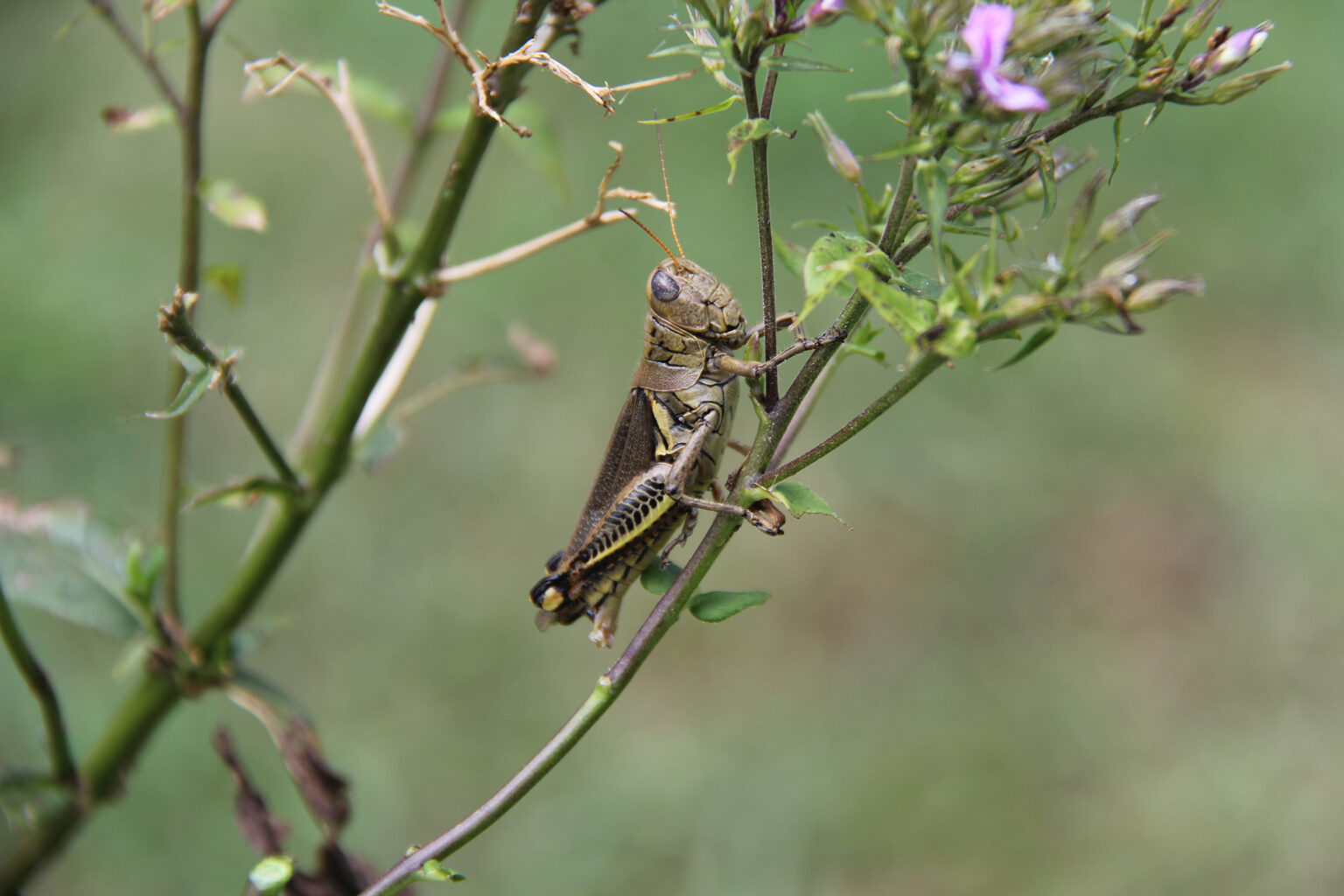
Grasshopper (file photo by Sharon Dowdy) CAES News
No insect apocalypse
Scientists have been warning about an “insect apocalypse” in recent years, noting sharp declines in specific areas — particularly in Europe. A new study shows these warnings may have been exaggerated and are not representative of what’s happening to insects on a larger scale.